[ Accounting Software | Login | Register | Disclaimer | Contact Us ]

CRM thoughts

Why pay for a standalone CRM program if you can get all the features in a fully integrated accounting software package.

Definition           
Sample Definitions
Customer focus framework
Key benefits and how you can use CRM includes
Goals to determine CRM success
                Info we need
                Set goals based first on leading indicators such as.


Every decision is made after asking the question,
“What difference will this decision make for the customer?”


CRM definition:

Customer relationship management (CRM) software enables sales and customer service professionals to track critical information about clients and prospects in order to close more deals and to provide better service. Advanced CRM software tools interface with communication and billing tools to provide a comprehensive review of client activity. 

 CRM typically means something different for every company, depending on who its customers are and how it delivers products and services to meet customer needs. Reaching a common understanding of what customer relationships management means to the company and how it can positively impact the bottom line is one of the first steps in developing a CRM program.

A company don’t have to have a single definition of CRM for the entire company. The definition should detail how the organisation expects CRM to add value to the bottom line.

Research shows that acquiring new customers can cost four to five times as much as reselling to existing customers

“Internal CRM” needs should focus on the information needs of employees/ sales associates and application of customer data.

Sample definitions

The company’s long-term CRM vision is to “provide each customer with an optimal customer experience. The company’s goal is to use segmentation strategies to target each customer group’s needs. The company will offer loyalty programs and different products based on customer histories and preferences.

 2nd Definition

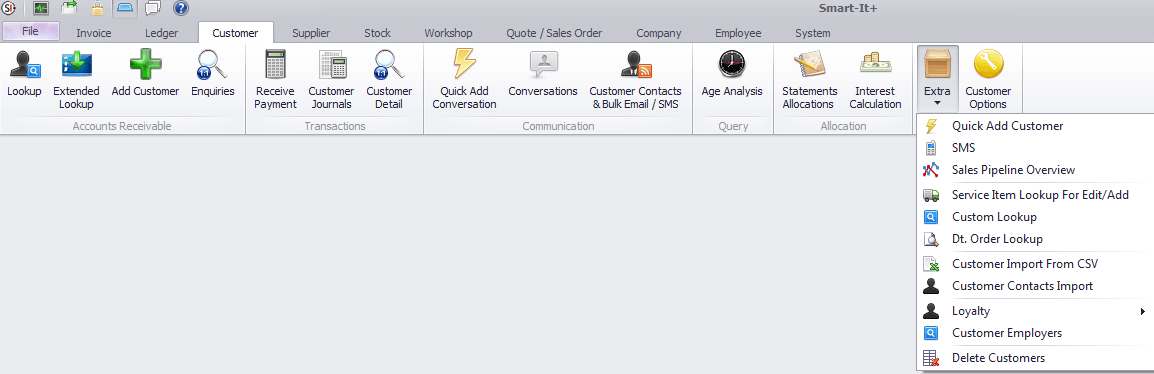
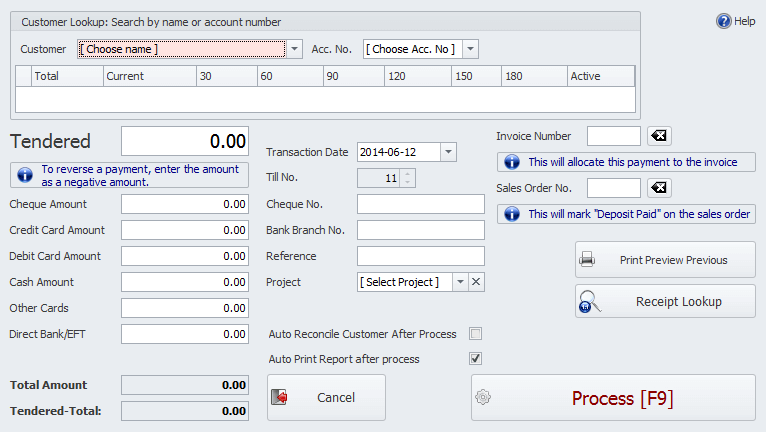
The core goal of Smart-It business software CRM is to ensure a great customer experience, so you can secure and build long term, profitable relationships. Each time you interact with a customer, you have an opportunity to learn important information.

The financial management system tracks the interactions between sales, service employees and the customers creating a complete 360-degree customer view.

Customer Focus Framework

How a contact with a prospect turns into the start of a relationship with a customer. The framework then allows you to develop a holistic view of the entire customer lifecycle and track the customer from acquisition through delivery (of product or service) and from customer support all the way through retention and referral.


1 Customer Identification.

Example different business segments)
 

2 Customer Differentiation.

Based on knowledge about the prospect and her needs and preferences, the prospect is automatically differentiated into one of several buckets or customer segments. Ex. Electronic interactions are preferred above paper etc.)


3 Customised Interaction

Personal information about their preferences and habits and you in turn agree to use that information in all interactions with the customer in order to serve them better


4 Customer Acquisition


5 Value Delivery Revenues

You must remember that as you deliver your product or service, in exchange for revenues, it is most important to remain focused on value delivered to the customer. Remember To be sure, value is an evasive term, but what is important is that it is always in the eyes of the customer.


6 Customer Service and Satisfaction (Customer service includes all activities that are above and beyond the direct product or service that is sold.)


7 Customer Retention

Building customer loyalty implies repeat customers that come back to buy your products or services,

and keep coming back. Loyal customers expect to be identified and treated differently, and will provide you with information about their preferences in return. They will try new products, offer suggestions for new products and services. They will trust you and tell their friends about your products and services. Classic examples of loyalty programs include Frequent Flyer Programs at Airlines,


8 Customer Referrals

Referrals can be one of the most effective means of marketing to prospective customers, and as such it is important to recognize the referral component of CLV – Customer Lifetime Value. In other words,

even if a customer is not directly responsible for a lot of revenues, s/he may be valuable because of

the referrals s/he provides

Key benefits and how you can use CRM include:


Goals and best metrics to determine CRM success.

Start with a strategy for collecting, mining, and leveraging valuable customer data.

Info we need from the CRM program:

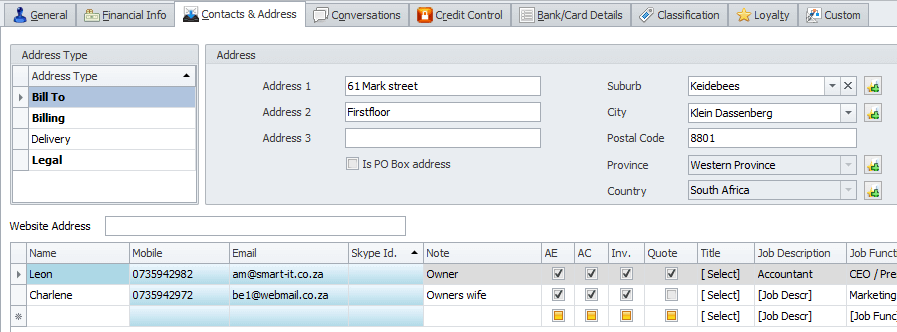
  1. Contact information such as address, email etc.
  2. Purchase history, including amount spent, type of merchandise, seasonality, and method of payment. Products ordered per item per group
  3. Customer preferences, such as colours, fabrics, brands, method of communication..
  4. Who are your customers? Better-defined segments that receive more targeted information provide a rich economic prize. 
  5. Where are they?
  6. Where do they need you to be? (where do they want to shop?)
  7. What do they need?
  8. Warranty records
  9. Coupon redemption and rebate forms
  10. Repairs and service records
  11. Refunds, invoicing disputes, inquiries, unresolved complaints
  12. Rank customers by
    • Money value
    • Referrals made by a customer
    • Likelihood and magnitude of volume growth or increased profits
    • Predictors of loyalty
    • Creditworthiness
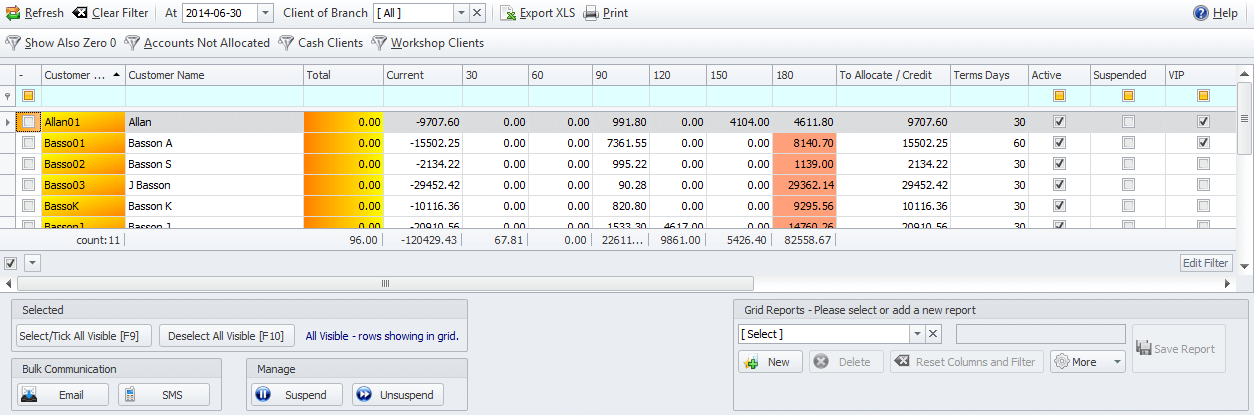
    • Accounts payable – the speed at which a customer pays
    • Collaborative value- willingness to communicate/participate/ respond to surveys. Etc
  13. Differentiate them by their needs.
    Business customers, consumers, dealers, distributors.
    • National or strategic accounts.
    • Large enterprise customers
    • Medium or small business customers
    • Geographic regions
    • Heavy users versus infrequent users.
  14. Purchase frequency. When is the next purchase due. Did it occur.
  15. Complete history of each contact made with client
  16. Track responses to each promotion effort
  17. Use transaction history or other data elements to eliminate customers or prospects from selected promotions
  18. Integration with e-mail templates
  19. Automated follow-up reminders
  20. Customer value projections
  21. Time and efficiency tracking
  22. Referral and source tracking
 

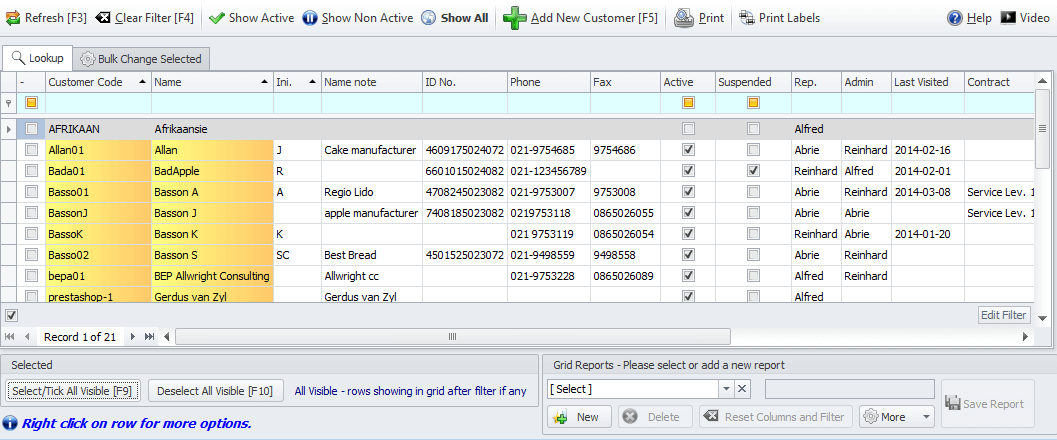
Customer interaction centre     

Example of info to display when a customer phones in.

                Overall value to us (1-5)

                Longevity

                Number of complaints

                Number of referrals

                Service interruptions


Set goals based first on leading indicators such as.

1.0   Customer satisfaction, customer retention and profitability.


Customer satisfaction as a leading impact indicator of CRM impact and success. Customer satisfaction improvements tend to reflect integrated service platforms, better-informed marketing, proactive service delivery and positive customer-focused program implementation. Customer satisfaction levels must be measured by conducting regular surveys

Retention and profit measures are more firmly anchored to economic performance

Top CRM programs realize that if they can develop customers who are more profitable, overall company profitability will accelerate. loyal customers serve as a critical marketing tool through referrals.

2.0 Measuring complaint levels.
3.0 Customer growth and defection.

 Growth factors can also include factors such as cross-selling or lifetime customer value.

Growth in new customers

Customer Specific profitability

Customer referral rates


Measure performance and communicate results to ensure accountability.

Give feedback on a weekly basis, comprising of key, directional company and customer statistics. Each department and level of management will have different needs.

What customer data should make it all the way to the retail floor? How can you ensure that valuable customer data gets into the hands of key sales persons at the point of sale.

 
A good customer relationship management (CRM) program must integrate with all your accounting (book keeping) modules such as quotes, job cards, suppliers, orders, purchases, return to supplier, workshop, general ledger, email, SMS accounts receivable etc.  
 

Key words

Financial management, book keeping, financial systems, accounting, business software, accounts, accountant, marketing, accounting software

Download this document

Download
CRM practices
Download size: 48.13 KB | Download count: 4172